
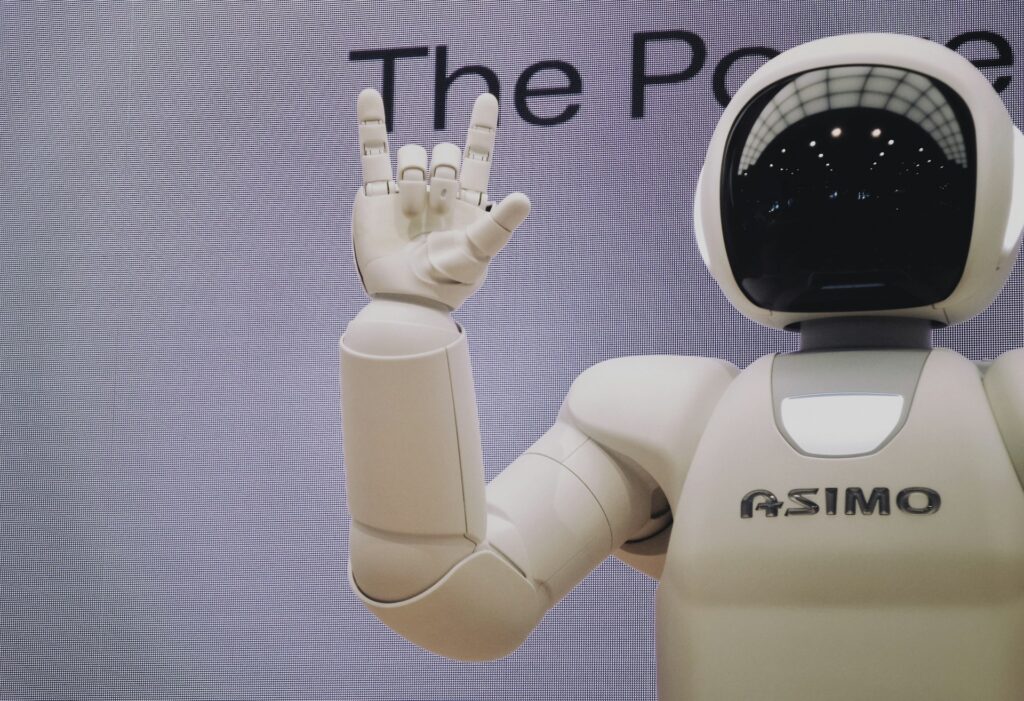
The Rise of AI: How Artificial Intelligence is Shaping the Future
Artificial Intelligence has evolved from the realm of science fiction to become one of the most transformative forces of our time. What began as academic research in the 1950s has accelerated into a technological revolution that’s fundamentally reshaping industries, economies, and human experiences. Today, AI isn’t just changing how we work—it’s redefining what’s possible across every aspect of society.
The Current AI Landscape
The recent breakthrough in generative AI, exemplified by large language models and advanced image generation systems, represents a quantum leap in AI capabilities. These systems can now engage in sophisticated conversations, write code, create art, and solve complex problems with human-like reasoning. The ability to process and generate content across multiple modalities—text, images, audio, and video—has opened doors to applications that seemed impossible just a few years ago.
Machine learning algorithms now power everything from recommendation engines that curate our entertainment to predictive models that optimize supply chains and financial markets. Computer vision systems can diagnose diseases more accurately than human specialists in some cases, while natural language processing enables real-time translation across dozens of languages, breaking down communication barriers that have existed for millennia.
Transforming Industries
Healthcare stands at the forefront of AI transformation. AI-powered diagnostic tools can detect cancers, eye diseases, and neurological conditions with remarkable precision, often identifying issues before human doctors would notice symptoms. Drug discovery, traditionally a process taking decades and billions of dollars, is being accelerated through AI models that can predict molecular behavior and identify promising compounds in months rather than years.
In transportation, autonomous vehicles represent one of AI’s most visible applications. Self-driving cars use sophisticated AI systems to process sensor data, make split-second decisions, and navigate complex environments. While fully autonomous vehicles aren’t yet widespread, AI-assisted driving features are already saving lives through automatic emergency braking, lane departure warnings, and adaptive cruise control.
The financial sector has embraced AI for fraud detection, algorithmic trading, and personalized financial advice. AI systems can analyze millions of transactions in real-time to identify suspicious patterns, while robo-advisors democratize investment management by providing sophisticated portfolio optimization to retail investors.
Workplace Evolution
AI is fundamentally changing the nature of work itself. Rather than simply replacing human workers, AI is augmenting human capabilities and creating new types of jobs. Knowledge workers now collaborate with AI assistants that can draft documents, analyze data, and generate insights, allowing humans to focus on creative problem-solving and strategic thinking.
However, this transformation isn’t without challenges. Some jobs are indeed being automated away, particularly those involving routine, repetitive tasks. The key to navigating this transition lies in reskilling and upskilling workforces to complement AI capabilities rather than compete with them.
Scientific and Creative Breakthroughs
AI is accelerating scientific discovery across multiple fields. In climate science, AI models are improving weather prediction and helping optimize renewable energy systems. In space exploration, AI analyzes vast amounts of telescope data to identify new planets and celestial phenomena. Materials science benefits from AI’s ability to predict properties of new compounds, accelerating the development of better batteries, solar panels, and manufacturing materials.
Creatively, AI is becoming a collaborative partner for artists, musicians, and writers. AI-generated art has gained recognition in galleries, while musicians use AI to compose melodies and explore new soundscapes. Writers leverage AI for brainstorming, editing, and overcoming creative blocks.
Challenges and Considerations
The rapid advancement of AI brings significant challenges that society must address. Ethical concerns around bias, privacy, and accountability require careful consideration. As AI systems make increasingly important decisions, ensuring fairness and transparency becomes critical. The concentration of AI capabilities in the hands of a few large technology companies raises questions about power distribution and democratic governance.
There are also existential questions about AI’s long-term trajectory. As systems become more capable, ensuring they remain aligned with human values and under human control becomes increasingly important.
The Path Ahead
The future shaped by AI will likely be characterized by human-AI collaboration rather than replacement. The most successful individuals and organizations will be those that learn to work effectively with AI systems, leveraging their strengths while providing the creativity, empathy, and ethical judgment that remain uniquely human.
As AI continues to evolve, our challenge is to harness its transformative potential while thoughtfully addressing its risks, ensuring that the rise of artificial intelligence ultimately serves to enhance human flourishing rather than diminish it.